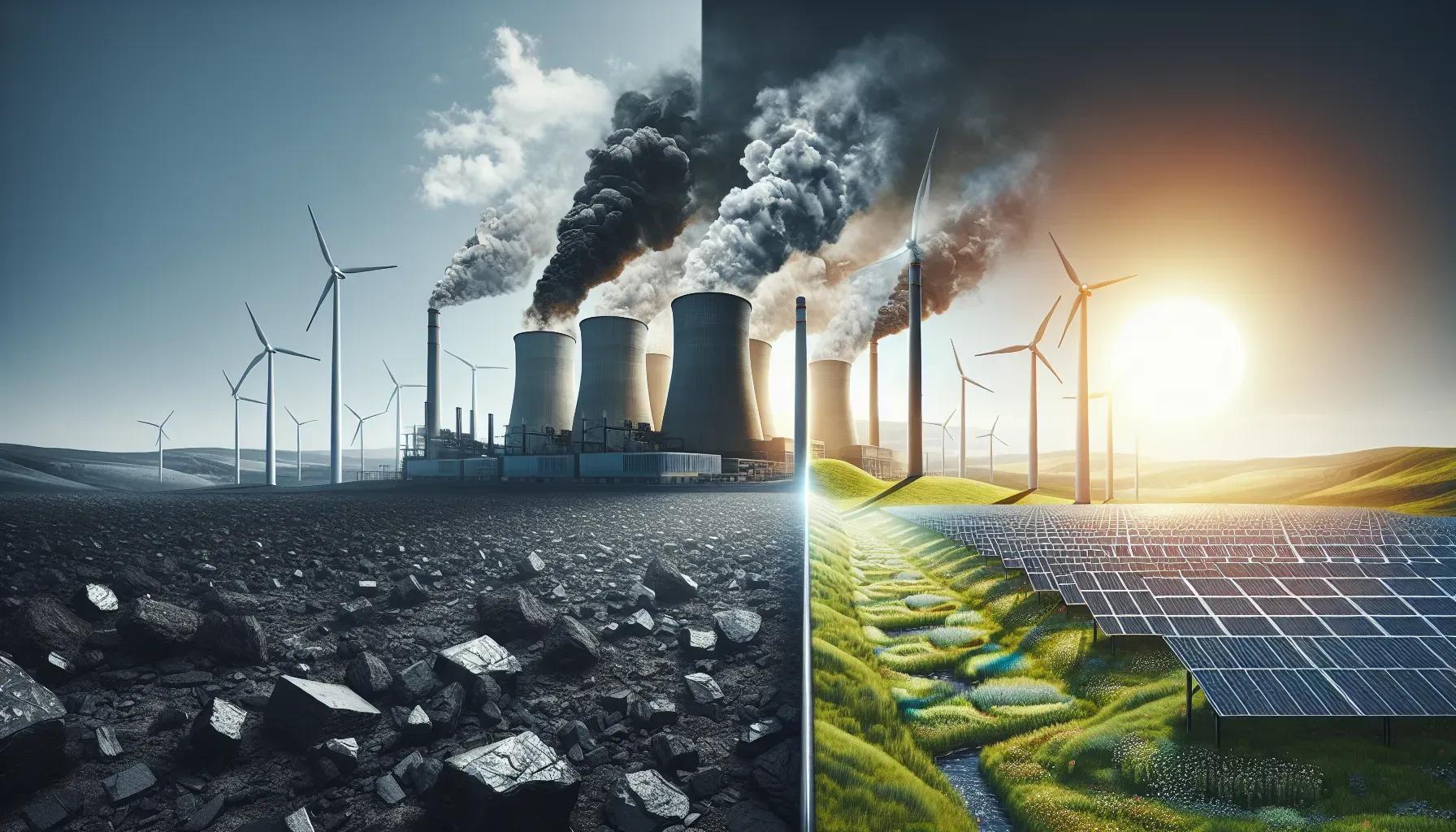

7 Common Misconceptions About Fossil Fuels and How to Address Them
Imagine a world where the intricacies of fossil fuels and their alternatives are laid bare, revealing surprising truths and challenging widely held beliefs. This article explores seven different insights, beginning with the finite nature of fossil fuels and concluding with the impact of fossil fuel pollution on public health. These expert opinions shed light on common misconceptions and offer practical solutions. Dive in to discover how energy efficiency, renewable reliability, and job creation intertwine with the evolving energy landscape.
- Fossil Fuels Are Finite Resources
- Strategic Partial Adoption of Solar Energy
- Renewable Energy Can Be Reliable
- Subsidies Distort Fossil Fuel Costs
- Renewables Create Job Opportunities
- Energy Efficiency Reduces Long-Term Costs
- Fossil Fuel Pollution Harms Public Health
Fossil Fuels Are Finite Resources
One common misconception about fossil fuels is that they are an inexhaustible resource, often leading people to believe that we can rely on them indefinitely without significant environmental consequences. While fossil fuels have powered economies for over a century, the reality is that they are finite resources, and their extraction and consumption have severe impacts on the environment, including climate change, air pollution, and habitat destruction. This misconception can hinder the urgency needed for transitioning to cleaner energy alternatives.
To address this misconception, it's crucial to provide clear and accessible information about the finite nature of fossil fuels and the urgent need for sustainable energy solutions. Education plays a key role here; by highlighting the data on fossil-fuel reserves and the environmental degradation associated with their use, we can illustrate the need for a transition to renewable energy sources. Additionally, sharing success stories of regions or countries that have made significant strides in adopting renewable technologies, like solar and wind energy, can demonstrate that viable alternatives exist and that transitioning is not only necessary but also feasible. Engaging in community discussions and using platforms that reach diverse audiences can further facilitate understanding and encourage proactive behavior towards sustainable energy practices.

