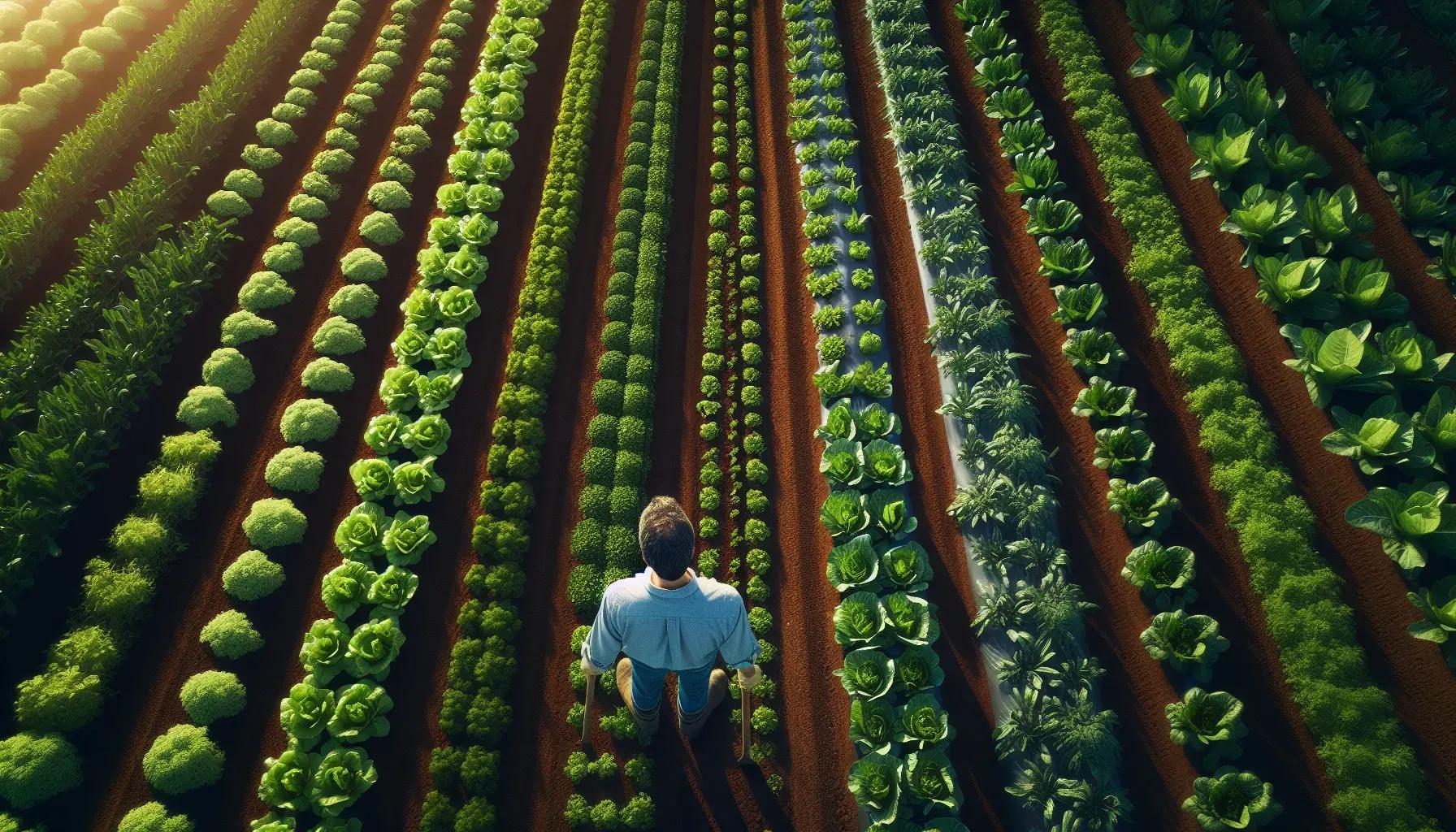

Welcome to a deep dive into the world of organic farming and its role in soil preservation. This blog post explores the symbiotic relationship between these two crucial aspects of sustainable agriculture. We'll delve into the principles of organic farming, the importance of soil preservation, and how the two intertwine to create a sustainable future for our planet.
The Principles of Organic Farming
Organic farming, at its core, is a holistic approach to agriculture. It emphasizes biodiversity, ecological balance, and soil health. Organic farmers avoid synthetic fertilizers and pesticides, instead opting for natural methods to nourish their crops and control pests.
Crop rotation, cover cropping, and composting are just a few of the techniques organic farmers use to maintain soil health. These practices not only nourish the soil but also help to prevent disease and pest infestations. Organic farming is not merely about avoiding harmful chemicals; it's about creating a sustainable, self-sustaining agricultural system.
Organic farming also places a strong emphasis on animal welfare. Organic livestock must have access to the outdoors and cannot be given antibiotics or hormones. This humane treatment of animals is not only ethical but also contributes to the overall health of the farm ecosystem.
The Importance of Soil Preservation
Soil preservation is a critical component of sustainable agriculture. Healthy soil is rich in organic matter and microorganisms, both of which contribute to plant health. Soil also plays a crucial role in water filtration and carbon sequestration, making it vital for environmental health.
Unfortunately, conventional farming practices often degrade soil health. Overuse of synthetic fertilizers can lead to nutrient imbalances and soil acidification. Heavy machinery compacts the soil, reducing its ability to absorb water and support plant roots.
Soil preservation is about more than just maintaining soil health. It's about preserving our ability to grow food and support life. Without healthy soil, our agricultural system—and by extension, our food supply—is at risk.
Organic Farming as a Tool for Soil Preservation
Organic farming and soil preservation are inextricably linked. The principles of organic farming—biodiversity, ecological balance, and soil health—are all geared towards preserving and enhancing the health of the soil.
Organic farming techniques like crop rotation and cover cropping help to maintain soil health by preventing nutrient depletion and erosion. Composting returns organic matter to the soil, promoting microbial activity and improving soil structure.
By avoiding synthetic fertilizers and pesticides, organic farmers also prevent soil contamination. These chemicals can harm beneficial soil organisms and lead to nutrient imbalances. By choosing natural methods, organic farmers protect the soil and the life it supports.